
The freeze frame moments – moments so good, so wholly, purely, simply good, you’d like to stick a pin in them and keep ’em forever. Those are the moments I try to remember; sitting here, laying there, holding my dog when she was a puppy, celebrating the publication of an article, cuddling up to my husband, walking through a warm sun shower, meeting up with friends, feeling good just because . . . those are the freeze frame moments I’m sure everyone can relate to.

Dr Alexandra Ginty tweeted me, Katie and Terri this week about a freeze frame moment, saying she was enjoying a beautiful wine while at the cottage. And I thought, “what a fantastic expression, ‘freeze frame’.”

The only problem with trying to remember those moments as vivid recollections is that so often the mind moves on, the goodness slips away, and while we might want to re-submerge ourselves into ‘that time when everything was wonderful’ it instead becomes a shadow of the past.
During treatment I longed for those memories to feel real. After my third or fourth treatment of the ‘really intense’ chemotherapy (with over ten more sessions to go), as determination began to subside to exhaustion, more often than not I found myself dreaming of better times. Better times in the past, and better times to come.
Maybe you are right there, right now, fighting through the shock, the physical changes, the strangeness of seeing a different person in the mirror (you, but not you) . . . and all around life goes on, and you go on too. Sometimes you have the strength and find those moments of goodness, other times (quiet times, when hardly anyone is looking) you break down and just wish – wish so hard – that you could return to one of those freeze frame moments.
I think everyone remembers differently, but whenever I was longing for a bit of goodness, here’s what helped me. Maybe it could help you too? And really, I think this is applicable far beyond a cancer treatment. Anyone can call upon their favourite moments to help alleviate a down moment.
Write it down. When things are good, write them down. Describe how it felt. Tell yourself a story in that moment so when you read it over later (years later, days later) those emotions can be regained.
- Draw a picture. Just doodle it on a piece of paper – doesn’t have to be good, and you don’t need to show it to anyone. Drawing taps into a different sort of memory, and coupling that with the movement of your hand and texture of the page, it becomes in itself a wholly, purely, simply good freeze frame moment.
- Tell a story. This is what you do when out for tea with friends, or lying in bed, or having someone who loves you rub your feet: tell them the memory that’s floating through your mind. Don’t worry about it making sense or sounding eloquent – just tell them about that time you laughed till you cried, or felt totally happy and the world was just perfect.
- Look at pictures. There’s a great way to trigger lost memories. Have a photo book on hand and flip through, taking time to enjoy the memories that you had forgotten. Zsolt and I print out photo books after our adventures; it’s a fantastic way to make sure the good times never fade.
- Make a plan. This is a BIG deal, and basically one that will carry you out of that slump. Make a plan to go somewhere you love, do something you love . . . even if you are in the middle of treatment, make a plan. Whether or not your follow through might depend upon your determination and energy levels, but don’t give up if it’s at all possible. Heck, I dreamed of going home for Christmas despite chemo, setbacks, and the general opinion of its impossibility. And guess what? It happened. And honestly, being at home was one of the most healing times during my entire journey through treatment. So if you remember being happy by the lake, or with some friends, or whatever, make a plan – believe in that plan.
Happiness is a huge bit of ‘awesome’ in life, and goodness knows it can be challenged and withheld at times. During my chemotherapy (and a little bit afterwards too) I experienced depression for the first time in my life. Thank God that passed, but I cannot forget what a sluggish, discouraging, deep situation it threw me into. . . and during those times, all I could do was remember those freeze frame moments. Since those times, since coming through treatment and trying to regain my life – I’ve lived those wonderful experiences, and plan on living a whole lot more.
(This is also a great way to establish what matters most in your life, don’t you think?)
What were your freeze frame moments that helped when things were discouraging? Is there a particular feeling,value or memory you like to recall?
Anyhow, there’s my list of ways to recall the good times. If you yourself have any ideas, please share them in the comments section. My list was quite ‘Catherine’ centric (i.e. focused on what I love) and you may have a way to remember that’s completely your own – do share. If nothing else, I’d just love to hear all the different ways people enjoy themselves.
Until later! 🙂 Catherine

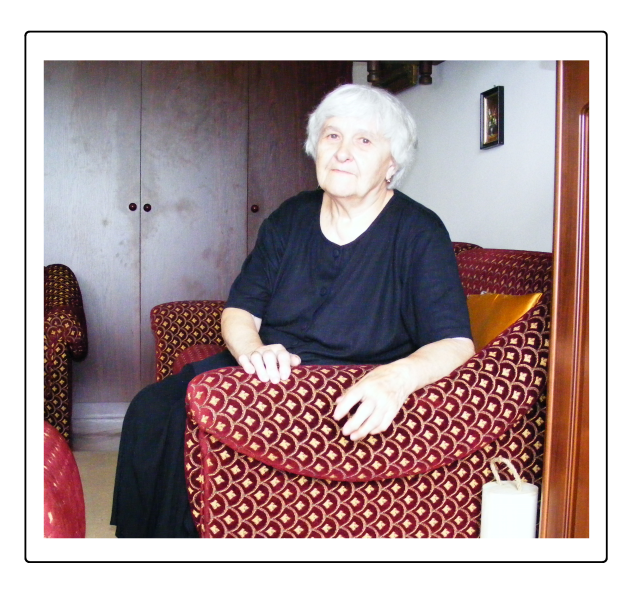 When he was a little boy, Gyöngyi babysat Zsolt and his sister. Looking back on this, as he and I lay in bed yesterday – twenty some years later – with our late-night wonderings, Zsolt remembers three things in particular about his grandmother. First, were the doughnuts; she’d bake puffed-up, golden doughnuts with jam-filled centres. Apparently they were like heaven on earth. Second was the dinner table; no one was allowed to leave until they’d finished their meal, as served by Gyöngyi. But as soon as his grandmother turned her back, the pot suddenly became a little more full with discarded soup or cabbage, or whatever they were eating that day and didn’t want to finish. (Presto! An empty plate.) Thirdly, probably shortly after the ‘magical empty plate’ trick, he remembers being chased with a wooden spoon – though she was never able to catch him. As they ran around the furniture and tables (something Zsolt still does), Gyöngyi would wave her spoon and say, “No, megállj csak!” meaning, “Wait till I get you!”

 Bumpyboobs ~CatherineBrunelleWrites